Last week, Government Technology released an article about the cause and effect of decreasing remote work, Traffic on the Rise as Employers Scale Back Remote Work.
“I couldn’t believe the reduction in working from home in these tech cities. That shocked me,” said Bob Pishue, a senior economist and transportation analyst at INRIX, and one of the authors of the INRIX 2024 Global Traffic Scorecard, which tracks traffic congestion across the top 25 U.S. metros and in cities around the world.”
“Some cities, Like Denver and Nashville, Tenn., experienced significant traffic growth, owing to other trends like in-migration. Traffic congestion in Denver increased 18 percent last year according to the INRIX research; in Nashville it increased 13 percent. More than half of urban areas in the U.S. experienced an increase in traffic delays in 2024, compared to 2023, while 28 percent experienced reduced traffic congestion and 17 percent saw no significant change.”
“These other factors driving traffic congestion are a reminder of the many influences that can affect congestion — and remote work is still a popular choice. Work-from-home still sits at 163 percent above pre-COVID-19 levels, Pishue said, pointing out even before the COVID-19 pandemic, remote work was already on the rise.”
“Other contributing factors include urban expansion that often outpaces infrastructure development, or the boom in e-commerce, which has increased the number of delivery vehicles on the road,” Ralf-Peter Schäfer, TomTom vice president, product management of traffic, travel and routing, said via email. On top of this, many U.S. cities lack adequate public transit, he added, further pushing travelers to personal vehicles.”
“TomTom, another transportation tech firm that recently released its 2024 Traffic Index, saw similar patterns around shifts in remote work.”
A problem or opportunity?
As the work force is migrating back to the office, transit agencies could see opportunities to bring back existing number of passengers from years ago, “Transit ridership boardings nationwide grew 6 percent in 2024 according to INRIX but remain 24 percent below pre-COVID-19 levels.” Still, this tracking is an upward trend on essentially a ‘national restart’ on how we use to access work.
Higher congestion could lead to more transit funding.
“All eyes seem to be on New York City’s new congestion-pricing project, a first in the nation. It’s still too soon to say if the move to charge vehicles $9 to enter Manhattan below 60th Street will significantly reduce traffic while raising much needed funding for the region’s transit systems.”
TSTB likes surge pricing for as long as the money isn’t investing to make the problem larger, that is, building more of the same that got us here…highway lanes.
INRIX’s 2024 Global Traffic Scorecard for Tampa.
Below are INRIX screenshots of Tampa which show congestion is nearly the same compared to 2019.
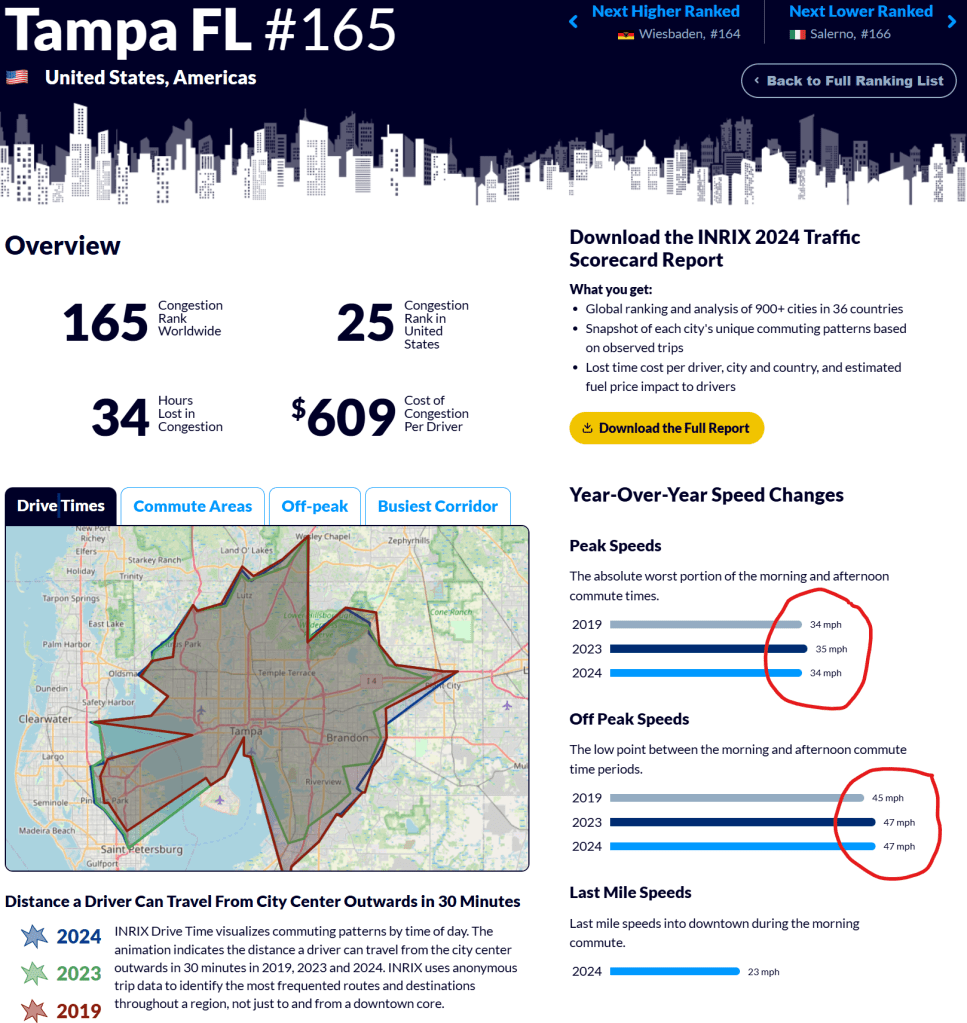

The opportunity here is in no doubt light rail. Not on the interstate but parallel to it, on the surface roads. The interstate cannot be widened any further without taking even more properties. The properties along this section of the interstate have the highest market values along Tampa’s side of the entire I-275 corridor.
TomTom Traffic Index Ranking 2024 for Tampa.

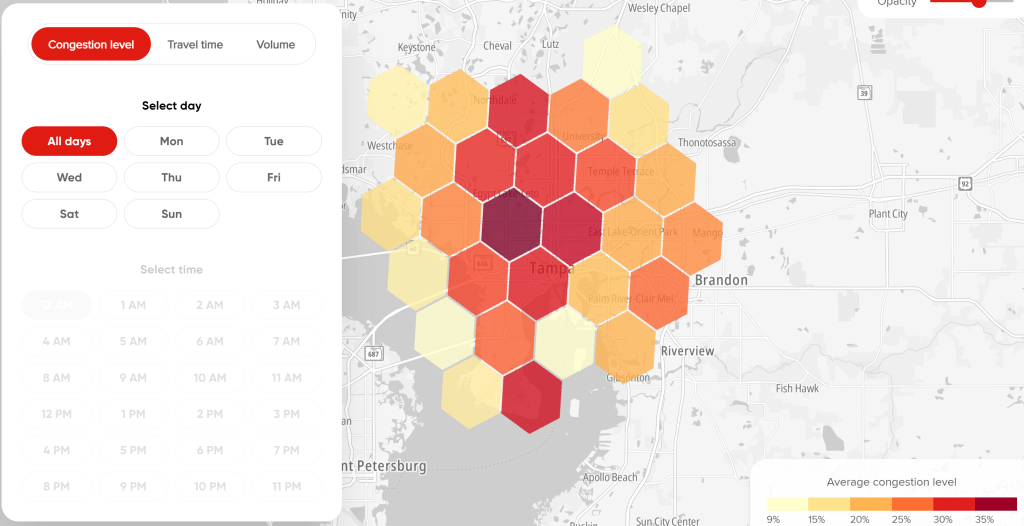

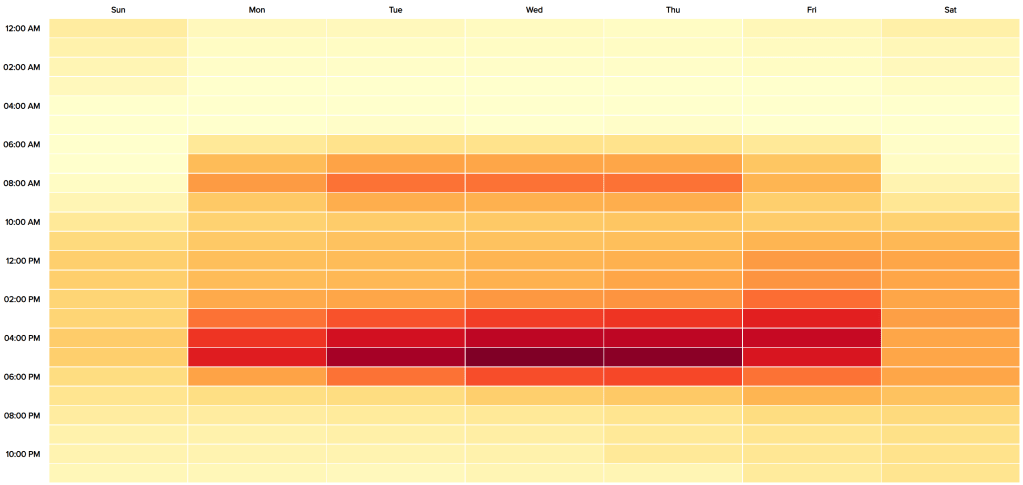
So what does TomTom say about our average time lost to congestion in Tampa?
“51 hours = 2 days, 3 hours” and up from “5 h 32 min more than in 2023.”
We know a deep dive in the methodologies and other details in these reports can explain the differences between the studies. However, two assumptions seem certain- the southern portion of I-275 seems to have the most vehicle volume and we know when and where traffic will peak.
South I-275’s problems call for a permanent fix. Geometrically, this corridor is basic; straight and well contained. We say contain because despite an obnoxious amount of exits (makes no sense for regional road) this highway is an elevated interstate over Tampa. We know rail, free from the choke points of this highway could remove a lot of local trips along this corridor which would help with regional freight. More ‘rail’ cars could be added to reduce congestion as the city grows. This is far better than eminent domain or spending tens of millions on property acquisitions for highway widening project through urban neighborhoods.
Now let’s back to the other assumption which is the exciting part. For now, the cheapest (well, free) thing to do is for companies to encourage work from home. We know when traffic gets bad. And both IRIX and TomTomol confirm this. Why not take this lesson and encourage free, anti-peak congestion measures like working from home?

 The Trolly Stop Tampa Bay
Leave a comment